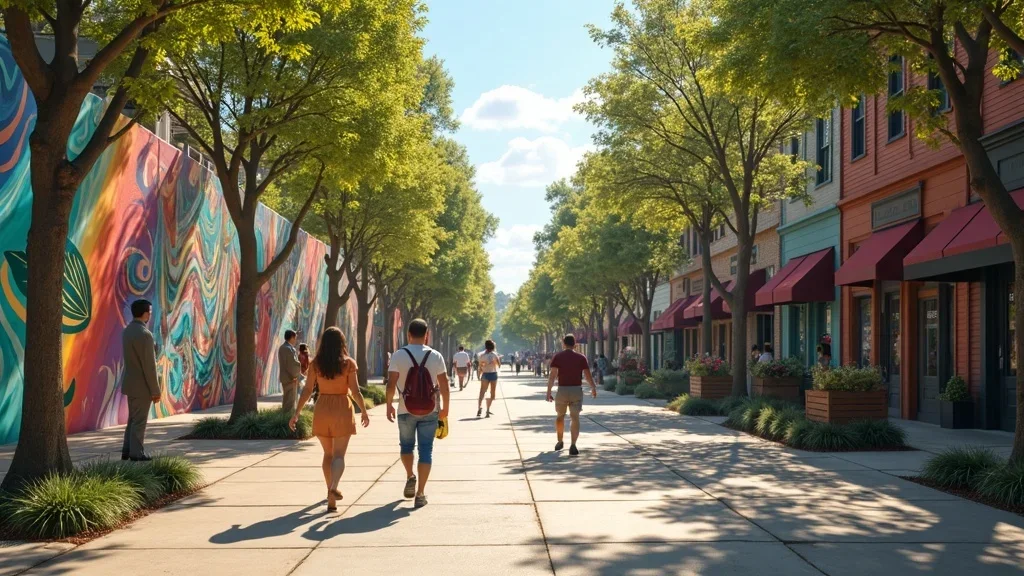
Walking through Charlotte, you might rush past colorful murals and sculptures waiting to tell their stories. But pausing reveals how this public art shapes the city’s identity, inviting us to connect, reflect, and see Charlotte through a vibrant, creative lens that brightens everyday life.Why Charlotte Public Art is Best Experienced on FootPublic art in Charlotte is less about hitting major sites and more about discovering stories embedded in the city’s daily rhythm. When you drive swiftly down Trade St or cruise Tryon St, it’s easy to blur past artwork woven into storefronts, transit stops, and brick walls. But if you slow your pace, parking once and setting out on foot, you’ll find that charlotte public art becomes a living dialogue, a mural connecting you to a coffee shop’s regulars, a sculpture inviting you into a new plaza, a painted underpass revealing a neighborhood’s humor or history.Charlotte invests in murals, sculptures, and installations not just to decorate empty spaces but to reflect dynamic changes in the Queen City and to anchor new gathering spots and creative hubs. Public art becomes a conversation starter at the farmers market, a backdrop for local festivals, or an impromptu landmark kids use to arrange after-school meetups. From art trails along the rail trail in South End to hidden murals tucked around NoDa’s side streets, these projects celebrate both local artists and the ever-evolving identity of the neighborhoods they color. Experiencing these pieces on foot changes your visit: you notice the sound of a busker, the aroma of nearby bakeries, and the way murals glow differently as the sun shifts, making each stroll unique and every return a new discovery.From Murals to Street Art: How Charlotte Public Art Shapes Neighborhood IdentityIn Charlotte, street art isn’t just surface ornamentation, it tells the story of individual blocks and the people who call them home. In neighborhoods like NoDa and Plaza Midwood, large-scale mural projects and colorful utility boxes are signposts of activism, creative entrepreneurship, and local pride. Commissioners and independent artists often work side by side to create pieces that reflect everything from current events to long-standing community traditions. These works fuel neighborhood identity, inviting residents to participate in maintaining, photographing, and even expanding on the art. It’s common to see new or visiting locals pausing mid-walk, phone raised to click photo for more info about art pieces, or to share finds on social post feeds.Elsewhere, more sculptural traditions define Charlotte’s civic and commercial cores. Landmark installations, whether it’s the Raymond Kaskey “Queen Charlotte” sculpture at the intersection of Trade and Tryon streets or the abstract pieces at gateways to Romare Bearden Park, provide touchpoints for newcomers as much as seasoned residents. Each district’s creative personality emerges through these localized approaches: experimental, playful and boundary-pushing in NoDa; quirky and personal in Plaza Midwood; grand and architectural in Uptown. What ties it all together is how the art shapes movement and exploration, public art in Charlotte is rarely found from a car window, but always comes alive on a leisurely walk.NoDa: Charlotte Public Art as the Heart of Creative ExplorationNoDa, short for North Davidson, is one of the city’s best places to experience public art as a local phenomenon, not just a tourist activity. Here, murals wrap around breweries, galleries fill historic mill spaces, and sidewalk musicians set the pace for evening strolls along North Davidson and 36th streets. Painted building exteriors showcase portraits of musicians, whimsical creatures, and bold geometry, ensuring that no two blocks are the same visually or atmospherically. NoDa’s collection of murals and creative storefronts makes every visit a treasure hunt, with every alleyway and fence presenting fresh artwork that captures the district’s bohemian spirit.But what makes NoDa special is not only its quantity of public art but the way it encourages wandering. Whether you start at a bustling coffee shop or pop into a neighborhood gallery, you’ll soon find yourself detouring to photograph a quirky mural or chatting with a local about the story behind a painted power box. Local businesses support artists by commissioning rotating installations and creative window displays; you might stumble upon a pop-up studio or spot a resident adding finishing touches to a collaborative wall. The district’s walkability fosters a sense of community, encouraging lingering, creativity, and spontaneous connection with both art and people.Street Art and Painted Walls: Experiencing NoDa’s Murals, Galleries, and Local SpiritNoDa’s murals are more than eye candy, they’re an invitation to linger. Each corner tells a new story, with huge painted wings for that picture-perfect social post or walls filled with tributes to Charlotte’s music and immigrant roots. It’s easy to lose track of time here: one moment you’re admiring a gallery’s fresh installation, and the next you’re catching up on upcoming art events at a nearby info kiosk. The boundary between local art and daily life blurs.You’ll notice, too, that NoDa’s art isn’t limited to murals; it spills onto bike racks, garbage cans, and community notice boards. Neighborhood artists are frequently seen working live, adding to the evolving art trails. Even the district’s breweries embrace the creative vibe, often displaying rotating exhibitions or collaborating with muralists to design building exteriors. Photographers, families, and couples stroll past installations, always discovering new detail, one of those reasons NoDa is frequently featured in collections of Charlotte murals or recommended as a top art district to explore on foot.Plaza Midwood: Where Charlotte Public Art Meets Community PersonalityA short drive, better yet, a refreshing walk, from NoDa brings you to Plaza Midwood, where the creative personality of Charlotte takes on an eclectic, community-driven edge. Here, public art emerges not only as planned installations but also as pleasant surprises. Storefront murals wind around quirky shops and historic buildings, giving each block a distinct voice. Plaza Midwood’s reputation as a haven for independent thinkers and artists is visible in the mashup of large-scale works and tiny, blink-and-you’ll-miss-it details.Instead of seeking out a single iconic mural, visitors here often stumble upon new favorites while detouring down side streets or wandering between businesses. The neighborhood’s playful approach, murals peeking around corners; painted benches inviting a pause, encourages visitors to experience the area slowly, giving time for curiosity, reflection, and the sort of conversations with residents that aren’t possible when you’re behind the wheel. The personality of Plaza Midwood’s public art is intimate: surprising, a bit offbeat, and always connected to the neighborhood’s community center.Eclectic Murals and Storefronts: Stumbling Upon Charlotte Street Art GemsUnlike more mapped mural districts, Plaza Midwood’s public art is full of hidden gems waiting to be discovered on foot. You might find a bold face painted across a cinderblock wall next to a thrift shop, or a rainbow-hued abstract design wrapping a coffee spot. Between inked sidewalks and impromptu chalk drawings, every block provides an opportunity for spontaneous discovery. The sense of playfulness is infectious, you’ll spot families posing for photos, friends pausing over brunch to study new art pieces, and neighborhood regulars updating visitors on the latest artwork to appear.This constantly evolving landscape makes Plaza Midwood particularly exciting for those passionate about Charlotte street art. Rather than rushing to check off a list, the joy often comes in taking it slow, walking, noticing, and letting the art lead the way. With painted shop windows, creative bus stop designs, and public notice boards doubling as collaborative canvases, every walk is new. Neighborhood festivals and pop-up exhibits further animate the district, revealing how Charlotte’s independent spirit and local artists shape a walkable, welcoming community for all who visit.Camp North End: Industrial Charlotte Public Art and Outdoor InstallationsFew parts of Charlotte have reinvented themselves as boldly as Camp North End. Once a factory complex serving both rail and defense industries, it’s now a sprawling creative campus where industrial architecture meets bold public art. Here, massive warehouses provide the perfect canvases for murals, and wide open spaces are filled with rotating sculptures and large-scale installations. Walking through Camp North End feels like stepping into a living art museum, but one that is constantly changing and playfully alive with activity.Open gathering spaces invite you to pause and take in murals shimmering in the afternoon sun or to join families picnicking beneath suspended art pieces. Creative businesses set up shop in old loading docks, while sidewalk performances and temporary art shows turn an ordinary stroll into a surprise-filled adventure. Unlike traditional museum spaces, Camp North End’s public art encourages you to interact, photograph, or simply sit alongside a sculpture and soak up the creative energy of Charlotte’s industrial past remixed for now.Open Spaces and Rotating Street Art: Why Camp North End Feels Like a Creative CampusAs you wander Camp North End, you’ll notice how seamlessly art integrates into every aspect of the environment. From colossal murals that stretch across warehouse facades to unexpected installations created by visiting artists, every visit offers new discoveries. The blend of permanent public art and ever-changing temporary pieces encourages return visits, and many locals treat it like the city’s giant living room, where you’re free to explore, relax, and create. Open spaces and the flexibility for rotating exhibitions mean every ride, stroll, or community event here is unique.Camp North End’s open, walkable design allows for serendipitous encounters with both art and artists themselves. The industrial backdrop not only frames the artwork dramatically but also connects Charlotte’s past to its creative present. Whether you’re capturing a dynamic mural for a social post or attending a guided artwalk, you’ll feel the infectious energy that makes Camp North End as much about connection and possibility as it is about art itself. It’s a must-visit for anyone exploring charlotte public art firsthand.Uptown: Civic and Architectural Charlotte Public Art in Outdoor SpacesAll too often, Uptown Charlotte is seen as a destination for business or quick downtown errands. But if you give yourself permission to slow down, you’ll find that Uptown is also home to some of the city’s most ambitious public art, towering sculptures, elegant plazas, pocket parks, and a sense of culture embedded in the city’s urban core. These installations serve as a quiet counterpoint to glass-and-steel towers, offering pockets of color, story, and reflection.Walking past Romare Bearden Park on a bustling weekday or along Levine Avenue of the Arts after work, you’ll discover how public plazas encourage spontaneous gathering, office workers eating lunch beside contemporary fountains, families strolling between sculpture gardens, visitors pausing at the intersection of Trade and Tryon Streets to photograph iconic installations. Public art here not only softens the city’s hardscape but also reveals Charlotte’s aspirations for a welcoming, walkable downtown.Sculptures, Plazas, and Parks: How Charlotte Public Art Softens the Urban CoreThe variety and scale of Uptown’s public art breathe life into its neighborhoods. From the stately “Queen Charlotte” monument created by Raymond Kaskey at the intersection of Trade and Tryon streets, to the playful installations scattered throughout park spaces, the area serves as a living gallery for all who work, live, or visit. Green spaces and pedestrian plazas double as outdoor museums, inviting everyone from business travelers to students to experience art not just as something to observe but as a shared part of Charlotte’s civic identity.These civic installations are more than photo backdrops or wayfinding markers; they offer a moment to reflect, connect, and participate in the city’s rhythm. Families picnic beside interactive sculptures. Office workers take calls while leaning against mosaic benches. Uptown’s public spaces become communal living rooms, drawing people out of their cars and into a more relaxed, engaged relationship with the city, proof that public art in Charlotte is as vital to the city’s identity as its skyline or sports teams.How Charlotte Public Art Reflects Neighborhood ChangeThe beauty of charlotte public art is that it never feels static. Every district, NoDa, Plaza Midwood, Camp North End, Uptown, and South End, expresses creative change in its own distinctive way. NoDa’s walls pulse with experimentation, from edgy murals to whimsical sidewalk installations. Plaza Midwood feels deeply personal, its art often born of intimate community collaborations. In Camp North End, art mingles with history, reimagining industrial spaces for community gatherings. Uptown’s installations nod to civic pride and ambition, while South End marries new development with both monumental sculptures and playful art trails winding alongside the rail trail.These contrasts reveal how public art marks ongoing change in Charlotte, sometimes signaling revitalization, at other times celebrating long-standing traditions. Each district’s collection of artwork highlights local flavor, speaks to its evolution, and reflects the people calling these places home. For anyone tracing Charlotte’s creative journey, these differences matter: they show public art as both a record of the city’s past and a map for its future, changing as neighborhoods transform, welcome new residents, and honor their roots.Comparing Charlotte Public Art Districts: NoDa, Plaza Midwood, Camp North End, Uptown, and South EndIn comparing Charlotte’s art districts, differences reflect both history and imagination. NoDa draws its energy from former textile mills, mixing music history, activism, and bold murals across nearly every surface. Plaza Midwood cultivates a grassroots feel, murals here are more likely to arise from community initiatives, DIY paintings, and even surprise midnight collaborations. Camp North End offers vast post-industrial canvases, giving artists a unique playground for large-scale and ever-changing installations. Uptown balances grandeur and accessibility: enormous bronze sculptures meet sleek plazas, and park spaces seamlessly integrate art with green tranquility. South End, meanwhile, feels modern and playful, with its rail trail lined with interactive sculptures and escapist murals capturing the spirit of today’s Charlotte.What binds these neighborhoods isn’t sameness but dialogue. Each expresses Charlotte’s personality, serious, whimsical, experimental, and reflective, inviting residents and visitors alike to slow their pace, explore, and see how art not only fills a space but defines it.Practical Tips for Enjoying Charlotte Public Art on FootIf you want to truly savor charlotte public art, a few guiding principles will make your outings memorable and meaningful. Start with the right shoes: almost every art-filled neighborhood, NoDa, Plaza Midwood, Camp North End, South End, and Uptown, rewards unhurried walking. Visit during daylight to see murals at their brightest and to capture great photos, but also look for how lighting transforms artwork as the day changes. Weekdays tend to be quieter for photography and urban solitude, while weekends bring energy, pop-up events, and more opportunities for community interaction.Parking can vary: NoDa and Plaza Midwood thrive on side street spaces; Camp North End has designated lots with a short stroll to art; Uptown parking decks put you within walking distance of major installations. As you walk, respect private property and support local businesses: buy a drink from a neighborhood café, browse local galleries, or chat with artists during open studio events. Don’t try to see everything in one wild afternoon; instead, linger between destinations, let curiosity set your pace, and enjoy the process of truly seeing Charlotte, one creative street at a time.Walking Tours, Daylight Visits, and Supporting Local: Making the Most of Charlotte Public ArtConsider joining a guided artwalk or designing your own self-guided tour tailored to your interests, some organizations offer maps highlighting must-see murals, sculptures, and creative spaces in each district. Allow for detours; the best finds often come by following your curiosity rather than a rigid itinerary. Take breaks on a painted bench, talk with local residents, or join a community event woven around art installations and creativity.Supporting Charlotte’s creative economy multiplies the impact of your walks: purchase from neighborhood shops, tip street performers, and share your social posts to amplify local artists. Whether your goal is to photograph the perfect mural, unwind with a loved one, or introduce kids to the city’s creative side, public art invites everyone to look up, slow down, and discover Charlotte in vibrant detail.Does Charlotte have an art district?Charlotte Public Art Districts Explained: NoDa, Plaza Midwood, and BeyondYes, Charlotte boasts several vibrant art districts, each with its own distinct personality. NoDa (North Davidson) is the city’s most well-known arts district, celebrated for its music venues, galleries, and spectacular murals. Plaza Midwood features independent storefronts and surprising street art, while Camp North End presents a post-industrial creative campus full of installations and pop-up events. Uptown showcases civic sculptures and museum-adjacent works, and South End mixes contemporary murals along the rail trail. Each neighborhood offers a unique way to explore and experience public art in Charlotte.How Charlotte Public Art Compares to Other CitiesWhile cities like Philadelphia, San Francisco, and Miami are lauded for their outdoor art scenes, Charlotte carves out a unique place with public art that’s both neighborhood-driven and welcoming. Here, murals, sculptures, and interactive works aren’t just tourist draws, they’re woven into the fabric of daily life, shaping walkable experiences and sparking community conversation. The evolving and diverse landscape of Charlotte public art makes it distinct for those seeking inspiration, connection, and local flavor beyond the city skyline.Finding the Heart of Charlotte’s Artistic Neighborhoods Through Public ArtNoDa is widely recognized as Charlotte’s “artsy” area, overflowing with murals, street art, galleries, and live performances. But Plaza Midwood, Camp North End, and South End all champion their own indie-spirited takes on creativity, whether through outdoor installations, collaborative art projects, or bustling neighborhood festivals. Uptown offers elegance and scale, while each district together shapes Charlotte’s reputation as a creative city where public art brings neighborhoods to life for locals and visitors alike.Why Slowing Down for Charlotte Public Art MattersCertain truths about Charlotte become visible only when you walk at a slower pace. Charlotte public art not only colors the city, it uncovers its stories, celebrates its people, and transforms familiar streets into places of wonder and reflection. When you wander on foot, you notice not just murals and sculptures but also the conversations around them, the ways architecture and greenery shape open spaces, and the pulse of local businesses anchoring every creative district.Choosing to slow down and explore art trails is more than a leisure activity—it’s a way of seeing Charlotte grow and thrive. Each block, mural, and installation invites discovery, connection, and a deeper sense of community. So next time you’re tempted to speed through, park your car, step out, and let Charlotte’s public art guide your path—you’ll find the city comes alive one creative neighborhood at a time.If you enjoyed this article, why not stay connected? Join Charlotte Local Unplugged on Facebook, Instagram, and YouTube for exclusive local information. @charlottelocalunplugged





Write A Comment