


What if the real soul of Charlotte isn’t found Uptown, but along the mural-splashed streets, in creative studios, or around a community patio where locals swap ideas and city secrets? The city’s creative neighborhoods aren’t just trendy backdrops for Instagram, they’re where Charlotte’s future is being written every day. Whether you’re a lifelong resident, a newcomer seeking your corner of Queen City, or simply a fan of urban character, discovering these distinctive communities unlocks a deeper, truer Charlotte than any brochure could ever capture.
What You'll Learn About Charlotte Creative Neighborhoods
How each Charlotte creative neighborhood shapes the city's identity
Key venues, murals, and gathering places loved by locals
Insider insights into arts, music, and social culture across neighborhoods
Distinctive features and walkability of NoDa, Plaza Midwood, Camp North End, South End, and more
How to navigate crowds, find parking, and experience Charlotte’s creative side authentically
What Drives the Creative Core of Charlotte Creative Neighborhoods?
At their heart, Charlotte creative neighborhoods embody the ambition, community spirit, and risk-taking energy that make the Queen City stand out across North Carolina. These neighborhoods, whether born from industrial repurposing or blossoming on historic main streets, drive Charlotte’s cultural evolution from the ground up. In these hubs, public art and murals are declarations of belonging; local music and independent venues create the city’s live soundtrack. Authenticity, not just amenities, is what defines Charlotte’s creative core.
“The heart of any city’s creativity beats loudest in its neighborhoods, and Charlotte’s pulse is only growing stronger.”
Unlike city centers dominated by office towers or new developments, these districts build identity through grassroots efforts: brewery patios double as neighborhood meeting spots, pop-up art events turn alleys into galleries, and weekly trivia or live music pulls regulars back again and again. Here, creativity flourishes not just visually but socially. From Camp North End’s entrepreneurial energy to NoDa’s thriving street art and South End’s mural-lined rail trail, the creative soul of Charlotte is in constant motion, weaving together artistry, gathering, and the sense of “you’re welcome here. ”
NoDa: The North Davidson Arts District Defined by Charlotte Creative Neighborhoods
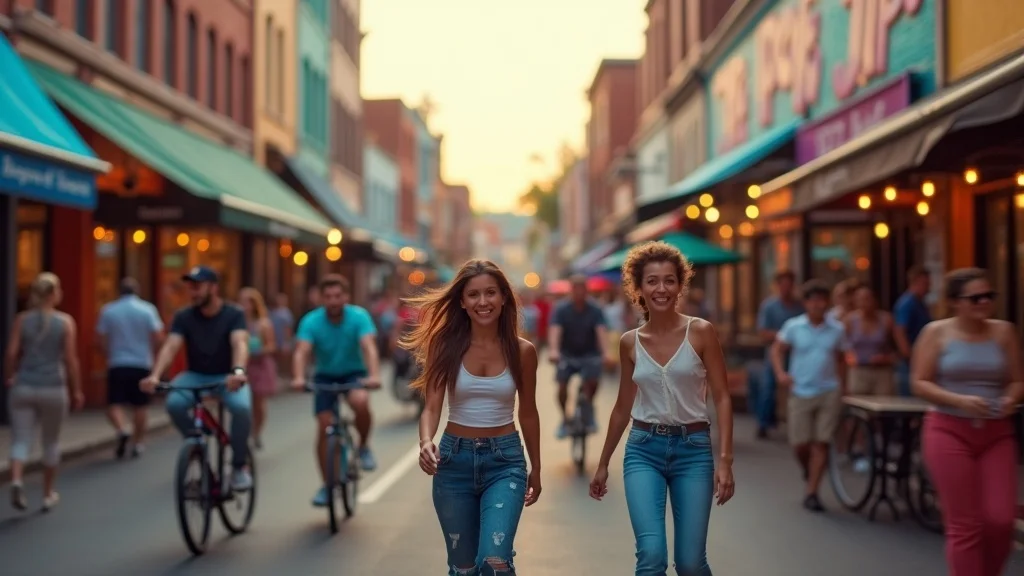
NoDa’s Artistic Reputation and North Davidson History
NoDa, short for North Davidson, is Charlotte’s most storied arts district, where railroad-era mills gave way to an experimental arts scene over decades of transformation. This neighborhood’s reputation as a creative anchor began with artist studios and warehouse galleries in the late 20th century, but today’s NoDa is very much alive and evolving. The neighborhood pairs preserved architecture with vivid street murals, sidewalk installations, and one of the most walkable layouts in town.
Even longtime Charlotteans find something new here on each return, whether it’s the latest mural taking shape, a newly opened gallery crawl, or a pop-up installation lighting up a corner where an old mill once stood. Old storefronts hold offbeat vintage shops, cozy local coffeehouses buzz throughout the day, and vibrant breweries offer rotating taps and trivia nights, all echoing the neighborhood’s identity as Queen City’s arts district. NoDa’s creative scene isn’t manufactured; it’s built on decades of artistic grit and local belief in the value of the unexpected.
Street Art, Breweries, and Walkable Social Hubs in North End
NoDa’s street art is not just decoration, it’s a living, expanding gallery turning walls and alleys into must-see public art. Historic signage melds with vibrant murals by local art collectives, and almost every block holds a backdrop ripe for social sharing or contemplative wandering. Craft breweries such as Heist, Wooden Robot, and Protagonist aren’t just about the pints, they’re walkable social hubs where the line between patio and sidewalk blurs.
This part of Charlotte’s north end is uniquely suited for pedestrian exploration. Start with tacos or fresh bakery goods, pop into an art gallery, catch a live music set at Evening Muse or Neighborhood Theatre, and stroll on as the scene shifts from family-friendly afternoons to energetic late-night crowds. If you’re after Queen City’s best mix of local art, walkable breweries, food trucks, and social rhythm, NoDa will always deliver the creative goods, no car required.
Local Music, Food, and Insider Culture in Queen City’s Arts Neighborhood
Locals know NoDa as more than just public art, the neighborhood’s identity rests equally in live music venues and an energetic food scene that highlights independent restaurateurs and food trucks. On any given evening, the music venues pulse with indie bands, hip-hop shows, and genre-bending acts that draw a loyal, eclectic crowd. Sidewalk musicians often add their own soundtrack to bustling weekends, making NoDa feel communal yet continually surprising.
“NoDa’s energy is never static, live music, bold murals, and a neighborly vibe that always welcomes the next new favorite spot.”
Late-night eats spill out onto the sidewalk: wood-fired pizzas, experimental vegan tacos, and classic burger joints serve insomniacs and early risers alike. Art galleries keep evening hours on weekends, and patrons often spill from one creative space to another on foot. What truly sets NoDa apart among Charlotte creative neighborhoods is its ability to combine edgy creativity, community pride, ongoing reinvention, and an unmistakable local flavor, all only a quick light rail or bike ride from city center.
Plaza Midwood: Evolving Community in Charlotte Creative Neighborhoods
Plaza Midwood’s Architecture, Vintage Appeal, and Indie Scene
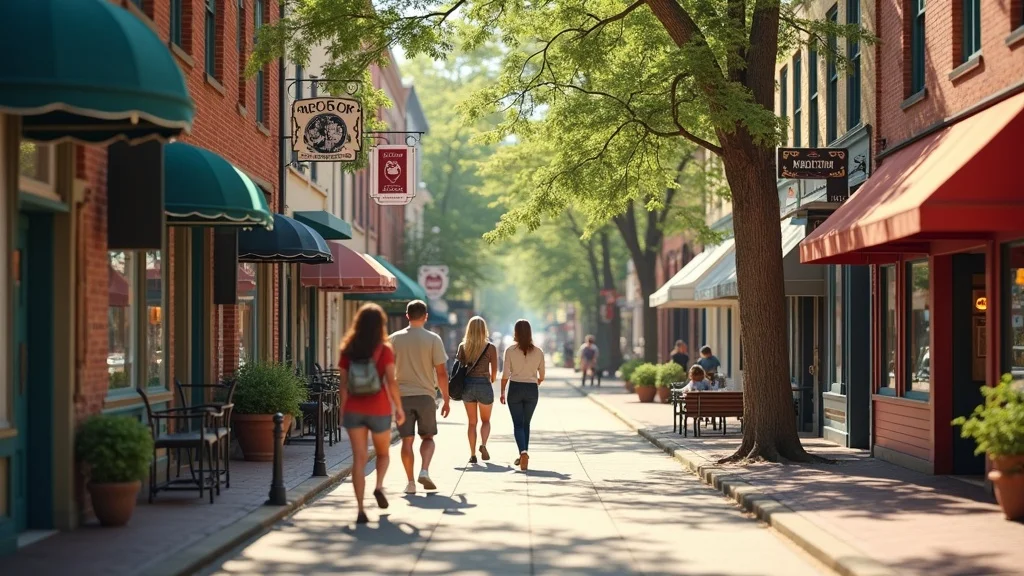
There’s a kind of local magic to Plaza Midwood, where sidewalks curve under leafy canopies, pastel-hued bungalows sit beside art deco storefronts, and the rhythm is gently quirky rather than showy. This neighborhood’s creative appeal began with its eclectic vintage shops and indie retail scene. Classic diners mingle with contemporary cafes, and you’ll hear as much about new vegan brunch spots as about where to catch trivia night at an old-school pub.
The indie spirit here radiates through weathered brick buildings and vibrant murals, which anchor the creative energy. Many of these landmarks have been lovingly restored, giving Plaza Midwood a style that is distinctly Charlotte: progressive, welcoming, but always grounded in neighborhood tradition. Spend a morning here and you’ll find locals sipping coffee on porches, street musicians busking outside bakeries, and groups of friends catching up at outdoor tables, each corner adding a new story to the district’s creative lore.
Public Art, Festivals, and North Carolina Roots
What transforms Plaza Midwood from a quirky shopping destination into a creative neighborhood powerhouse? Its embrace of public art, and regular festivals, add rich layers to its North Carolina roots. Colorful street murals, painted crosswalks, and dynamic art installations are signatures of everyday life around Central Avenue and The Plaza.
Local festivals, like BOOM, Charlotte’s annual artist-driven fringe festival, turn sidewalks into open-air galleries and stages for experimental performance. Plaza Midwood stands out as one of Queen City’s most inclusive districts, nurturing local art, poetry slams, and activism. Everyone from young professionals to decades-long residents converge at indie bookstores, open-mic nights, and vibrant drag shows, building a community that celebrates interaction, diversity, and place-making from the ground up.
Walkability, Social Rituals, and Plaza Midwood’s Local Gatherings
One key reason locals cherish Plaza Midwood: you can leave the car behind. The main thoroughfares, Central, Thomas, and Pecan, are built for strolling, linking parks and patios without the friction of traffic. Social rituals develop organically, from impromptu bar crawls to recurring Sunday markets. Porch hangs are common, and neighbors know each other by name, a testament to the unforced hospitality found here.
Plaza Midwood’s walkability links breweries, record shops, plant-based bakeries, and late-night diners into an ever-rotating cycle of local hangouts. Trivia at the Common Market, poetry at Petra’s, and food truck pop-ups in neighborhood lots draw crowds of every age. This is the kind of neighborhood where waiting in line feels social, not transactional, the fordand everyone, from longtime regulars to wide-eyed newcomers, becomes part of the city’s creative story with every visit.
Camp North End: Innovation and Industrial Edge in Charlotte Creative Neighborhoods

The History and Redevelopment of Camp North End
Once a World War II-era industrial site, Camp North End is now one of Charlotte’s definitive symbols of creative reinvention. Its history reads like a microcosm of Charlotte: from manufacturer, to Model T factory, to missile assembly plant, before resting as 76 acres of creative potential. What emerged, after years of thoughtful redevelopment and grassroots investment, is one of the city’s best examples of how industrial grit can spark a thriving arts scene.
Expansive warehouse spaces have been repurposed into artist studios, open galleries, and tech incubators, all linked by bold murals, steel beams, and communal courtyards. Unlike neighborhoods that rely on nostalgia, Camp North End positions itself as both an homage to North Carolina’s industrious past and a launchpad for Queen City’s creative future. With every passing season, more spaces open up, each with its own aesthetic and intended to attract artists, entrepreneurs, and the casually curious alike.
Creative Studios, Installations, Food Hall, and Maker Culture
Inside Camp North End’s sprawling footprint, the creative scene is palpable: artist studios invite you to see work in progress, temporary installations transform hallways, and pop-up markets showcase a rotating cast of local makers. The Ford Building and Boiler Yard anchor this constant flow of energy, linking everything from modern coworking spaces to graffiti walls and independent food stalls filling the air with every kind of aroma imaginable.
The food hall curates some of the city’s boldest culinary concepts, providing communal tables that foster conversation between artists, developers, designers, and families out for a Saturday stroll. Maker culture grows here through annual festivals, monthly gallery crawls, and hands-on workshops. Whether you’re wandering into a reclaimed shipping container gallery or catching an outdoor movie night, the momentum at Camp North End reflects Charlotte’s innovation at its best, always welcoming the next idea.
Why Camp North End Attracts Artists, Entrepreneurs, and Modern Makers
In the fabric of Charlotte creative neighborhoods, Camp North End offers the rare mix of ample square feet, community-minded development, and ever-changing collaboration. Its appeal isn’t just the space to create, but the encouragement to participate. Weekly yoga, actual artist-in-residence programs, gallery exhibits, and small-batch breweries sit side by side. Camp North End’s central location, easy to reach by car, light rail, or bike, draws young professionals and families alike for after-work hangs or weekend adventures.
For anyone looking to tap into the creative pulse of Queen City without the pretension, Camp North End is a master class in how industrial history, artistic energy, and entrepreneurial ambition can create something entirely new. If you want to glimpse Charlotte’s future as a creative force, start here.
South End: Murals, Breweries, and Revitalization in Charlotte Creative Neighborhoods
South End’s Rail Trail, Mixed-Use Development, and Mural Identity
Of all Charlotte creative neighborhoods, South End is perhaps the most dynamic in its transformation, from former railroad corridor to an urban playground of mural-lined pathways, breweries, and mixed-use buildings. At its core: the city’s beloved Rail Trail, threading four miles of public art, patios, parks, and modern apartments through the heart of Queen City. This trail isn’t just a bike or jogging route; it’s an artery for events, music, and daily social life.
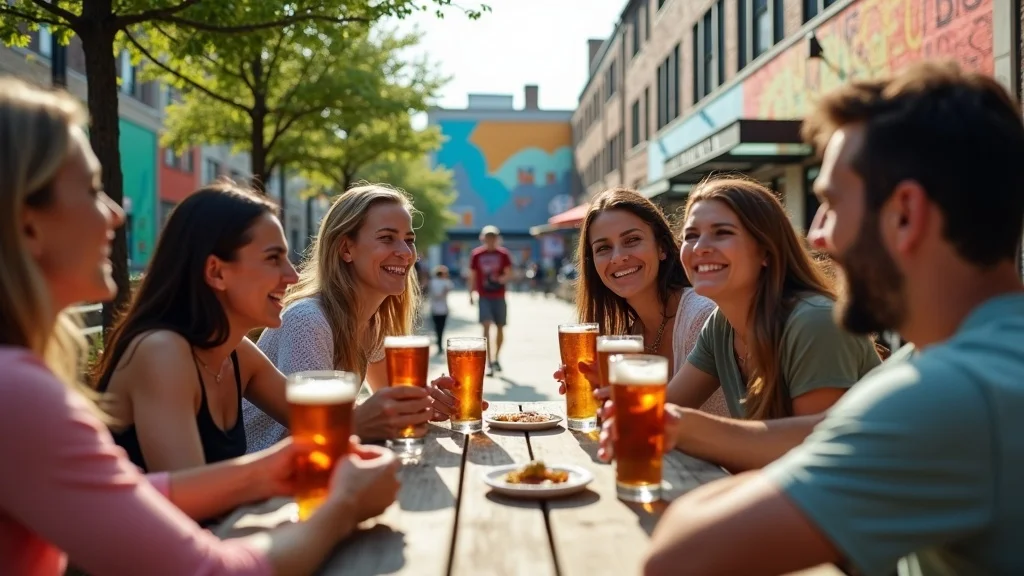
Murals and street art bloom on nearly every vertical surface, much commissioned by local organizations, others appearing guerilla-style overnight. The pulse of South End beats loudest on weekends, when food trucks, pop-up shops, and gallery events draw crowds from all over North Carolina. With its mix of contemporary design, historic brick, and always-fresh art, South End walks the line between big-city ambition and relaxed, walkable fun.
Social Rhythms, Local Events, and Walkability in South End
South End’s walkability is unrivaled. Start at Atherton Mill or Sycamore Brewing, and you might not need to drive again all day. Most patios, food halls, and murals are within steps of each other, making it easy to hop from outdoor brunch to street market to gallery night without a second thought. Regulars know the social patterns: afternoons draw crowds to brewery lawns, evenings see the patios light up, and Saturday mornings are for yoga, farmer’s markets, and dog-loving neighbors lounging on the grass.
Frequent pop-up art shows, food truck festivals, and local maker markets mean each weekend feels unique. South End stands out because it integrates creative energy into everyday routines, public art as your morning run backdrop, new taproom murals as part of your evening out, trivia nights and community fundraisers blending new and old Charlotte social circles. It’s a neighborhood where new arrivals become regulars quickly, and locals find their relaxing rhythm in the middle of an ever-growing city.
Nightlife, Brewery Patio Culture, and Urban Energy in Queen City’s South End
By night (and especially on weekends), South End transforms into Charlotte’s hub for outdoor breweries, vibrant patio culture, and energetic city crowds. The nightlife scene is approachable and built for mixing—whether you’re catching up after work or joining friends for an impromptu gallery crawl along Tremont Avenue. Music spills out from open-air bars, while boutique shops and ice cream lines stretch down the block as the weather warms.
With so many options, reservations are rarely needed, though for Friday and Saturday evenings, arriving before local events start is wise. The brewery patios here aren’t just about beer; they’re multi-generational gathering spaces where dogs are as common as strollers and bar games foster casual connections. In South End, the city’s professional energy and laid-back creativity intersect, making it a must-visit stop for anyone seeking the best of Charlotte creative neighborhoods, especially when the weather is mild and the murals shine brightest.
Wesley Heights & Emerging Charlotte Creative Neighborhoods You Should Know
A Quick Look at Wesley Heights: Tradition Meets Transformation
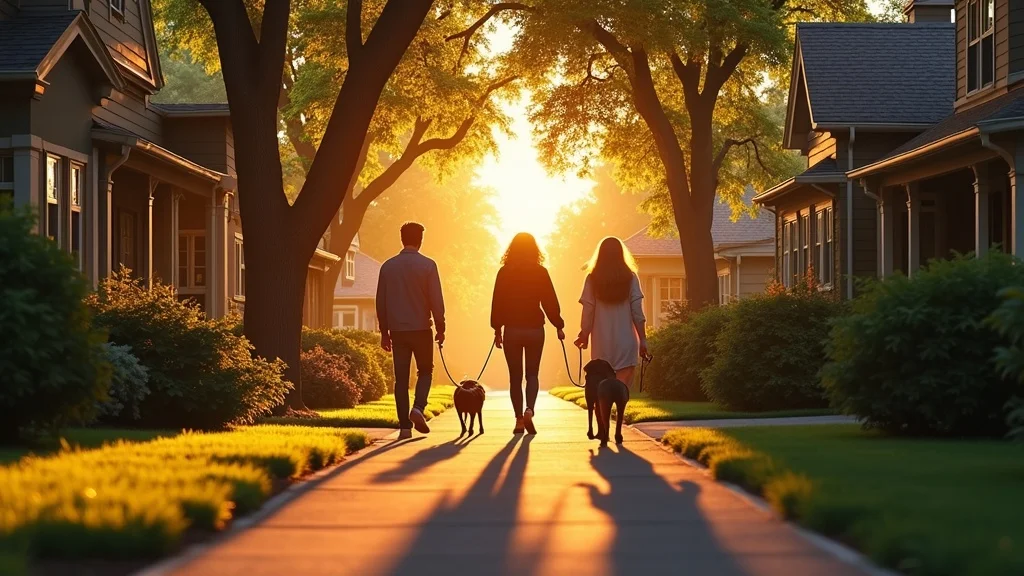
Wesley Heights offers a different side of Charlotte’s creative evolution, a neighborhood where historic craftsman homes, tree-lined streets, and front porch culture balance the city’s relentless growth. With its roots in early 20th-century suburban development, Wesley Heights has steadily transformed into a community prized for its authenticity, relaxed parks, and proximity to Uptown. Evening strolls wind through rows of mature oaks, while pop-up art shows and community events increasingly fill the neighborhood calendar.
Wesley Heights stands apart among Charlotte creative neighborhoods for its blend of tradition, transformation, and inclusive small-town feel. As development radiates west from city center, this area provides a sense of continuity for old and new residents alike, where neighbors actually know each other, dogs outnumber cars at sunset, and creative ambition mixes easily with lived-in comfort.
Other Fast-Growing Creative Communities in North Carolina
Charlotte’s creative energy isn’t limited to the biggest, most established districts. Emerging neighborhoods, each with their own distinct vibe, architecture, and pace are rapidly making their mark, often fueled by younger residents, entrepreneurs, and local artists. Some to watch:
Optimist Park
Elizabeth
Belmont
Villa Heights
These areas often blend proximity to Uptown with walkable corridors, renovated cottages, intimate coffee shops, and highly local gathering places. Whether you’re seeking art installations or the most buzzed-about corner bakery, Charlotte creative neighborhoods old and new all share one trait: a steady buzz of social and artistic reinvention that helps make Queen City genuinely unique.
How Charlotte Creative Neighborhoods Shape the Queen City's Identity
Cross-Neighborhood Creative Traditions and Public Events
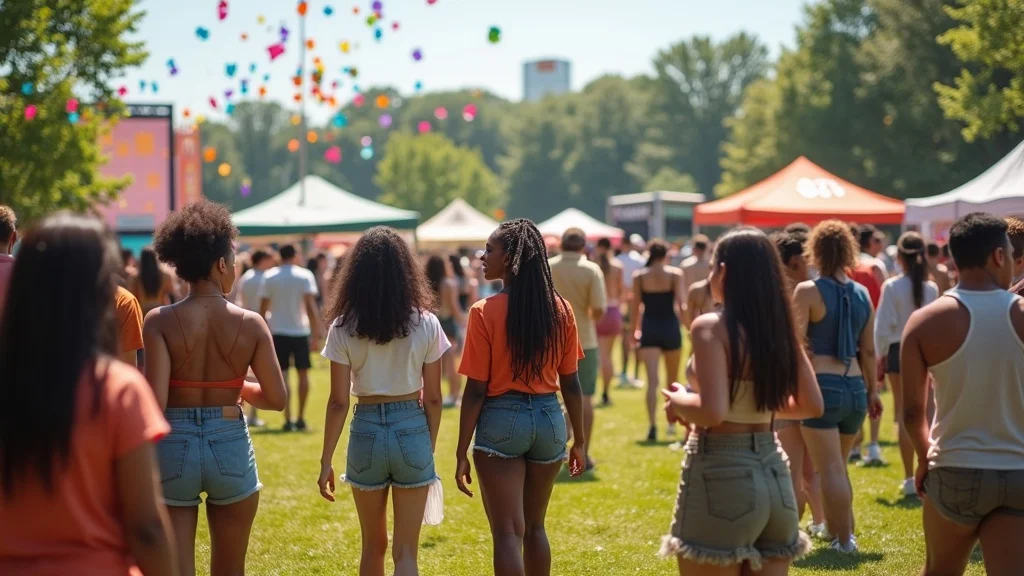
One of the most exciting aspects of Charlotte creative neighborhoods is how traditions, events, and public art spread their influence citywide. Annual festivals like BOOM and Open Streets CLT bring thousands together to dance, paint, and perform, while monthly gallery crawls invite even casual observers to immerse themselves in the arts. Public art commissions stretch from NoDa to South End, connecting neighborhoods through a shared visual language unique to the Queen City.
The intermixing of creative communities has reshaped how locals and visitors connect with the city making art feel accessible, participatory, and increasingly visible in daily life. Music venues, street fairs, and markets offer entry points into Charlotte’s broader cultural conversation, while city parks host events that bring together families, artists, and neighbors for celebrations of food, music, and creativity alike. This constant cross-pollination ensures no one area holds a monopoly on Charlotte’s arts scene or community spirit.
Local Stories: Neighborhood Identity, Migration, and Changing Culture
Charlotte’s identity is not static, like its neighborhoods, it shifts with migration, evolving community values, and the passions of those who call it home. Each creative district writes its own chapter, colored by the artists who paint its murals, the entrepreneurs who open its coffee shops, and the families forging new traditions on its sidewalks. Longtime residents and new arrivals alike shape these stories, from Saturday street festivals in South End to porch hangs in Wesley Heights or impromptu chef pop-ups in Optimist Park.
Amid ongoing development, what persists across Charlotte creative neighborhoods is a sense of place, community ties woven through public art, shared spaces, and everyday rituals. Migrations from all over North Carolina and beyond infuse new flavors, ideas, and energy, ensuring that the city’s creative personality will keep evolving for generations to come.
Navigating Charlotte Creative Neighborhoods: Walkability, Parking, and Local Tips
Neighborhood |
Best Time to Visit |
Parking Reality |
Best For |
|---|---|---|---|
NoDa |
Post-work and weekends |
Street & lot, can fill up fast |
Live music, murals, brewery hops |
Plaza Midwood |
Weekend brunch, late nights |
Side streets, shared lots |
Indie shops, social dining |
Camp North End |
Afternoons, events |
Onsite free parking |
Creative markets, food halls |
South End |
Evenings, Saturdays |
Decks, paid lots |
Murals, breweries, group outings |
Wesley Heights |
Sunset, weekdays |
Residential street parking |
Relaxed parks, community strolls |
Parking and crowds are a reality in every popular neighborhood. For NoDa and Plaza Midwood, arrive just before peak hours or opt for side street parking. Camp North End offers the rare luxury of free onsite spaces, while South End is best accessed by light rail or a quick ride-share if you’re coming for Saturday events. Wherever you land, comfortable shoes and an adventurous appetite open more doors than any reservation.
Want to explore like a local? Set aside your checklist. Pause for street musicians, wander down painted alleys, chat with baristas about neighborhood news, or just linger longer than you planned. That’s where the real Charlotte creative neighborhoods reveal their heart.
FAQ's:
What is the artsy part of Charlotte NC?
The artsy part of Charlotte NC is centered around NoDa (North Davidson), which is packed with bold street murals, local galleries, and a diverse array of music venues. Plaza Midwood and Camp North End are also recognized for their thriving public art scenes, making them must-visit neighborhoods for anyone seeking authentic Charlotte creative energy.
What are the coolest neighborhoods in Charlotte?
If you’re chasing culture, food, or art, some of the coolest neighborhoods in Charlotte are NoDa (for its streetscape and patio buzz), Plaza Midwood (quirky shops and indie hangouts), Camp North End (innovation and creative markets), and South End (murals, breweries, the famous Rail Trail). Each area has its own identity and loyal local following.
What are the fancy suburbs of Charlotte NC?
The fancy suburbs of Charlotte NC include SouthPark, Myers Park, and Dilworth, where tree-lined streets, luxury homes, and boutique shopping offer a different side of Queen City. While they’re not as edgy as the creative neighborhoods, many locals appreciate the calm, upscale vibe and mature architecture you’ll find there.
FAQs About Charlotte Creative Neighborhoods
Which neighborhood is best for public art and galleries?
NoDa (North Davidson) is the top choice for public art and local galleries, though South End and Plaza Midwood also offer engaging mural trails and pop-up exhibits.Where can I find a real locals’ hangout in Charlotte?
Check out the patio culture in NoDa, outdoor tables at Plaza Midwood’s Common Market, or porch gatherings in Wesley Heights for an authentic Queen City vibe.Is there a neighborhood with the most breweries?
South End is often considered Charlotte’s brewery mecca, packed with tasting rooms, patios, and local events. NoDa isn’t far behind.What’s the most walkable creative area in Charlotte?
NoDa and South End are both highly walkable, with breweries, art spaces, and music venues connected by short strolls or bike rides.Where do pop-up events and street markets happen most often?
Camp North End is becoming Charlotte’s prime spot for creative pop-ups, markets, and food events, but you’ll also find regular street markets in Plaza Midwood and NoDa, especially during festival season.
Key Takeaways: What Makes Charlotte Creative Neighborhoods Unique
Charlotte creative neighborhoods continue evolving with new energy, events, and communities.
Distinct identities and creative traditions give each area a sense of place—even as the city grows.
Experiencing Charlotte’s creative neighborhoods is best done on foot, with time to linger and explore.
Local art, food, and gathering spaces drive Charlotte’s ongoing cultural identity and sense of community.


Write A Comment